What Are Anxiety Disorders?
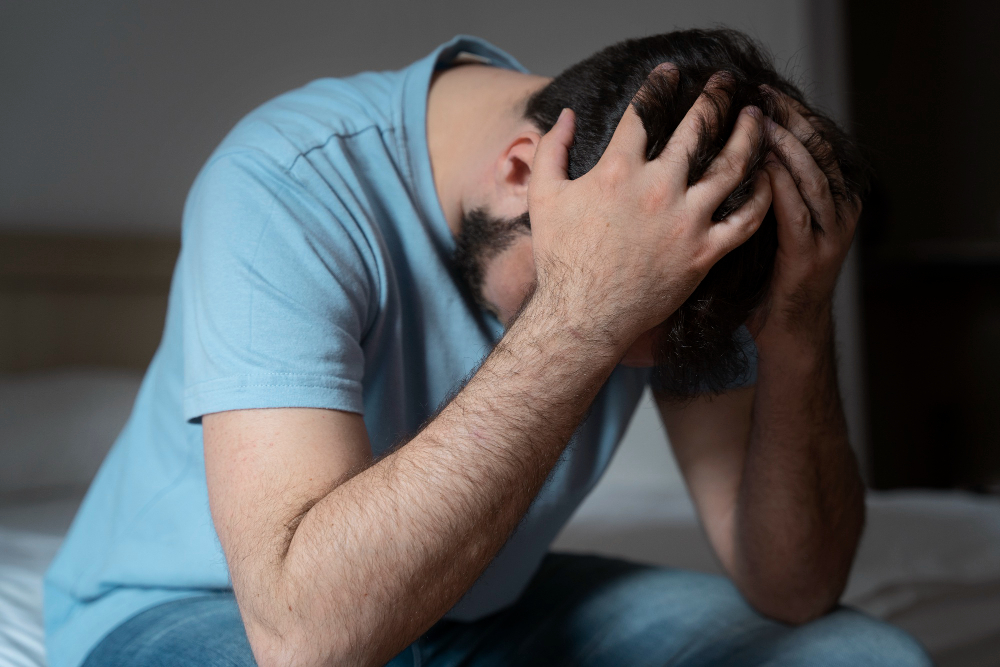
Anxiety disorders are common mental health conditions. They cause people to feel worried, nervous, or fearful often. According to the World Health Organization (WHO), millions of people worldwide live with anxiety disorders. While everyone feels anxious sometimes, these disorders make the feelings stronger and longer-lasting. As a result, daily life can become hard to manage. There are different types, such as generalized anxiety disorder, panic disorder, and social anxiety disorder. Each type has its own signs, but all involve ongoing anxiety that affects daily life.
Common Signs and Symptoms
Recognizing anxiety disorder symptoms early can help you get the right support. Although symptoms can vary, many people notice some of the following:
Sometimes, people may also have panic attacks. These are sudden periods of intense fear with physical symptoms like chest pain or shortness of breath. If you notice these signs often, it may be time to seek help.
Major Triggers of Anxiety Disorders
Many things can trigger anxiety disorders. However, triggers are different for everyone. Knowing your triggers can help you manage anxiety naturally. Some common anxiety triggers include:
Because triggers can be unique, it helps to keep a journal. This way, you can spot patterns and avoid certain situations when possible.
Effective Coping Strategies
There are many ways to cope with anxiety. While some people need medical treatment, others find relief with simple changes. Here are some proven coping strategies:
Additionally, joining a support group can help. Many cities offer mental health support groups, both in-person and online. If you live in a large city, look for mental health resources in your area.
When to Seek Professional Help
Sometimes, anxiety can feel overwhelming. If your symptoms last for weeks or stop you from living your life, it is time to get help. You should also seek help if you have panic attacks, thoughts of self-harm, or trouble with daily tasks. Mental health professionals can offer therapy, medication, or both. Early treatment often leads to better results. Remember, asking for help is a sign of strength, not weakness.
Prevention and Lifestyle Tips
While you cannot always prevent anxiety disorders, healthy habits can lower your risk. Here are some tips for managing anxiety naturally:
Above all, take breaks when you feel stressed. Even a short walk or a few minutes of quiet time can help. If you notice anxiety disorder symptoms, do not ignore them. Early action can make a big difference.
For personalized advice and support, consult a mental health professional. You deserve to feel your best every day.